
My experience
as an interpreter
Events
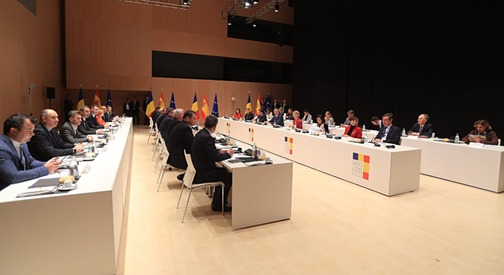
First Spanish-Romanian Summit held in Castellón de la Plana on 23 November 2022. Certified by the Spanish Ministry of Foreign Affairs, Cooperation and European Union. Consecutive interpretation RO><EN><RO for the Minister of Territorial Policy and Spokesperson of the Spanish Government, Isabel Rodríguez, and for the Romanian Minister of Public Administration, Attila Cseke.
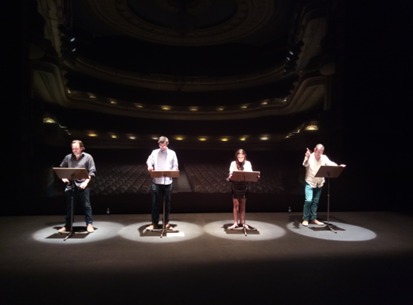
Liaison interpreter RO><ES><RO between the Centro Dramático Nacional (CDN), Madrid, and the director and playwright Gianina Carbunariu, October 2016.
Liaison and consecutive interpreting in international logistics coordination meetings EN><FR><EN (Paris Olympics 2024).
Liaison interpreting RO><FR><ES for the University of Alicante during various official visits and writers' meetings.
Liaison interpreting RO><FR><ES during the BIP programme (Universities of Oradea, Alicante and Padova).
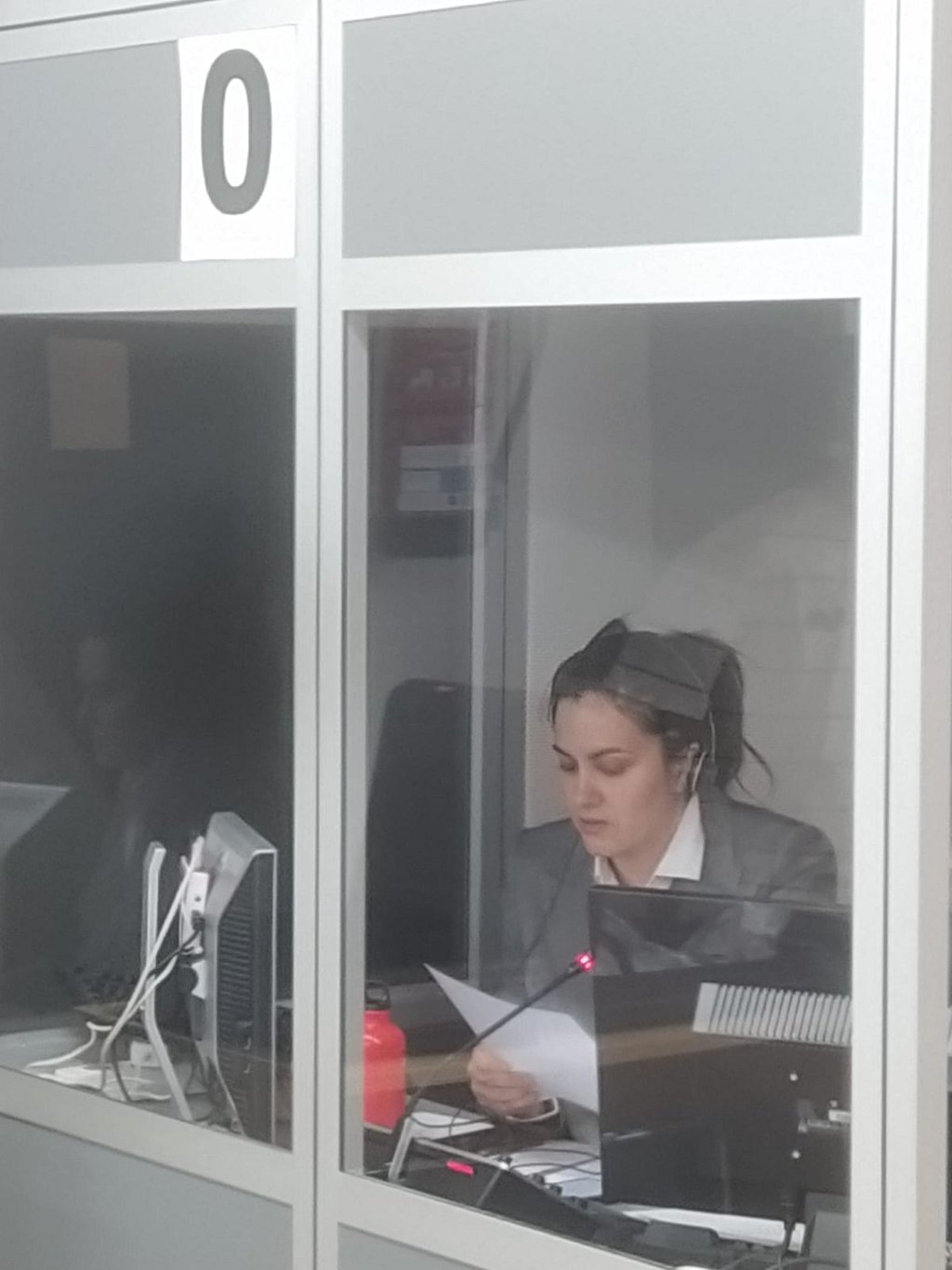
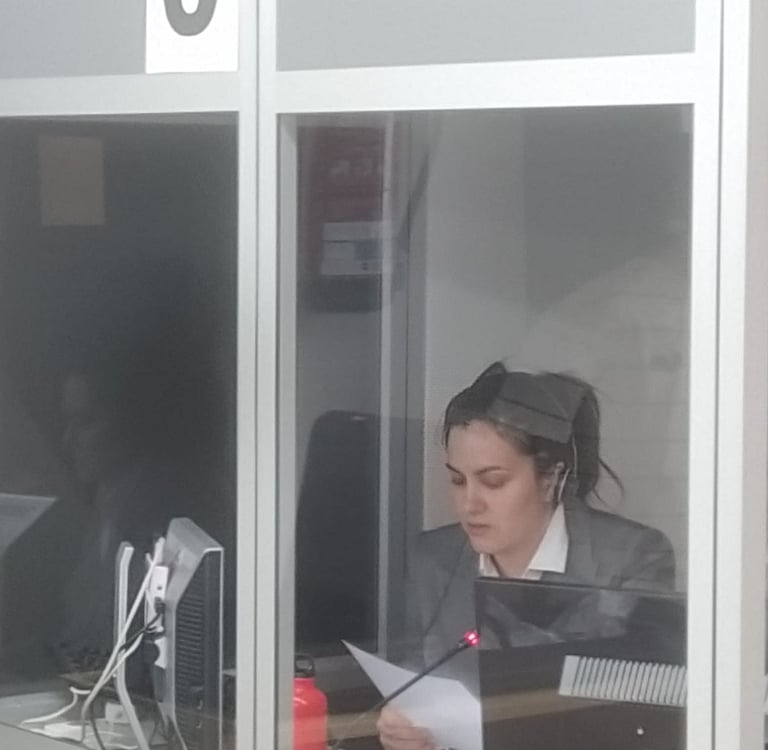


"The 'Interpreting for the stage' challenge resides in the multimodal nature of the source material itself. Speech, writing, sound, image, movement, colour, layout, music, etc. may all be involved in informing the translator's decision making".
Ian Mason
In John Laver & Ian Mason A Dictionary of Translation and Interpretinghn Laver and Ian Mason.
My reference
My interpreting teacher: MIGUEL TOLOSA. He is what many of us wanted to be when we grew up... because he masterfully combines the three facets that make up the profile of an interpreting teacher. Firstly, the professional one, since this subject cannot be taught if one is not experienced in the booth. As a teacher, Miguel has trained generations of interpreters, breaking new ground, both in conference interpreting and in other modalities, such as social interpreting, under various situational conditions, such as interpreting in the field of health during the annual internship (for more than a decade) at the International Congress of Occupational Therapy (CIETO).
As a researcher, Miguel Tolosa touches on many areas (cognition, memory load in relation to the quality of the service, the sociological dimension of professional practice, the link with didactics, among others) but there is something that fascinates me in his teaching: the closeness, the pragmatism, the connection with the palpable reality of the market. One breathes in his teachings, and also in his writing, that facet of ‘wilderness explorer’. It is perceived. And it is appreciated.
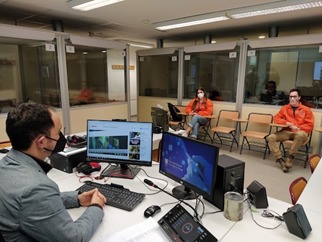
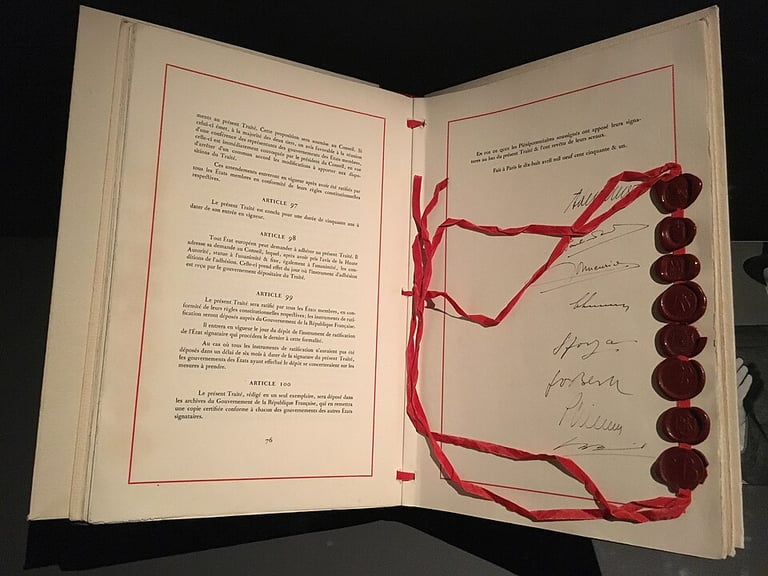
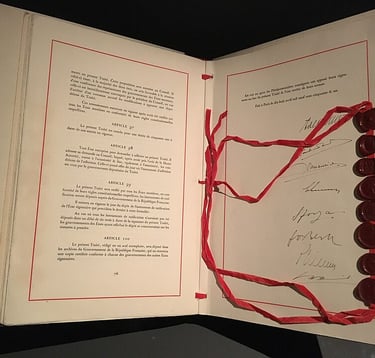
"Les limites de l'interprétation sont claires, elles n'autorisent aucune hypothèse sur l'intention d'un orateur, jamais en tout cas l'expression de cette hypothèse.
Les intentions des orateurs -vouloir plaire, ou au contraire menacer, flatter, faire rire, convincre- sous-tendent leurs dires sans être verbalisées.
L'interprète les capte mais il n'est pas question pour lui de les exprimer".
Danica Seleskovitch
Interpreter of the Marshall Plan, ECSC.
Professor at ESIT (Sorbonne Nouvelle)
My bedside books
A reference book?
La interpretación de conferencias: el nacimiento de una profesión. De París a Nuremberg. (Conference interpreting: the birth of a profession. From Paris to Nuremberg).
Under the pretext of recounting how our profession was born, Jesús Baigorri gives us a splendid account of the first half of the 20th century, including the two conflagrations with their respective diplomatic games, official and behind-the-scenes negotiations, chessboard decisions, complex, as well as the work of those interpreters who made history, who were co-artificers of many advances that we take for granted today, but which were not so clear a century ago. In this book, Baigorri is a historian in his method and an interpreter in his observations and reflections on the dawn of the profession. The result of this symbiosis is exquisite.His other book, Interpreters at the United Nations: A History picks up where the previous one leaves off. One could say that it is, in a sense, a continuation that completes the X-ray with the second half of the century, seen through the sieve of the UN and its evolution. It thus deals with its genesis and the entry of a first, rather spontaneous generation of interpreters, followed by a second generation that consolidated the framework of action and the principles of the profession, and concludes with a third, contemporaneous with single thinking and technological change. The sources for this ambitious investigative feat were official UN documents along with others as yet undisclosed, all seasoned with the testimonies of the veteran interpreters themselves that bring the essay to life, while the author announces that they do not claim to be scientifically objective.
Both are books for the learning and enjoyment of the active, potential or retired interpreter, and also for the reader interested in an era and events that are neither so distant nor so alien.


Every two weeks,
a language dies.
"The world diminishes when it loses its human sayings, as it loses the diversity of its plants and bugs.
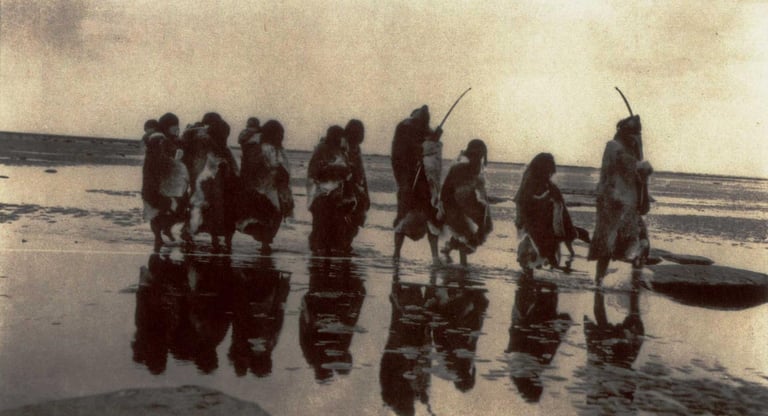
In times gone by, the Onas worshipped several gods. The supreme god was called Pemaulk.
Pemaulk meant Word".
Eduardo Galeano
In his book Los hijos de los días